Why Testosterone Matters More After 40
Testosterone is one of the most important hormones in a man’s body. It directly affects energy, muscle mass, mood, and sexual health.
After the age of 40, testosterone levels begin to decline naturally—usually by about 1% per year. While this is normal, the effects can become noticeable and impact daily life.
Many men start to feel:
- More tired than usual
- Less motivated
- Weaker physically
- Mentally slower or less focused
Understanding how testosterone works—and what you can do about it—can make a significant difference in your long-term health.
What Is Testosterone and What Does It Do?
Testosterone is a hormone produced mainly in the testicles. It plays a key role in several essential functions:
- Building and maintaining muscle mass
- Supporting bone density
- Regulating fat distribution
- Producing red blood cells
- Maintaining libido and sexual performance
- Supporting mood and mental clarity
When levels drop, these functions can become less efficient, leading to both physical and emotional changes.
Signs of Low Testosterone in Men Over 40
Low testosterone (often called “Low T”) doesn’t happen overnight. It develops gradually, which is why many men ignore the symptoms at first.
Here are the most common warning signs:
Physical symptoms
- Persistent fatigue
- Increased belly fat
- Loss of muscle mass
- Reduced strength and endurance
Mental and emotional symptoms
- Mood swings or irritability
- Mild depression or lack of motivation
- Brain fog and memory issues
Sexual health symptoms
- Lower libido
- Erectile dysfunction
- Reduced sexual performance
Recognizing these early can help you take action before symptoms worsen.
Testosterone Replacement Therapy (TRT): Main Options
If lifestyle changes are not enough, many men consider testosterone replacement therapy (TRT). There are several ways to administer testosterone, each with pros and cons.
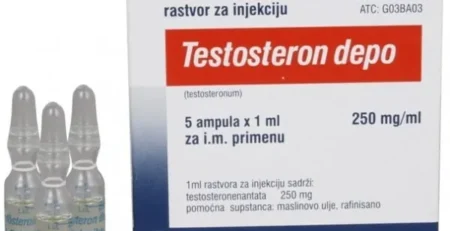
1. Injections (Most Popular)
- Typically done every 1–2 weeks
- Provide stable and effective results
- Cost-effective and widely used
2. Gels and Creams
- Applied daily to the skin
- Easy to use and non-invasive
- Risk of transferring hormone through skin contact
3. Patches
- Deliver steady hormone levels
- Convenient daily use
- Can irritate the skin
4. Pellets
- Implanted under the skin every 3–6 months
- Long-lasting and low maintenance
- Require a minor medical procedure
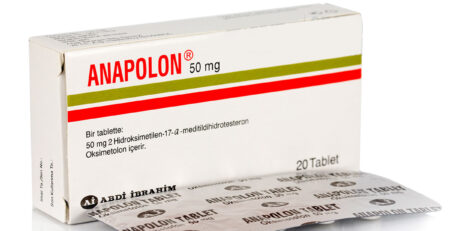
5. Oral or Buccal Tablets
- Less common due to liver processing
- Buccal versions dissolve in the mouth
👉 Choosing the right method depends on your lifestyle, budget, and medical advice.
Testosterone Cycles After 40: What You Need to Know
Some men—especially those involved in fitness—use testosterone cycles to improve muscle growth and performance.
However, this approach carries risks, especially after 40.
Typical cycle lengths
- Beginner: 8–12 weeks
- Intermediate: 12–16 weeks
- Advanced: 16+ weeks (medical supervision strongly recommended)
Common testosterone types (esters)
⚠️ Important: Using testosterone without medical supervision can lead to:
- Hormonal imbalance
- Cardiovascular risks
- Suppressed natural testosterone production
Post-Cycle Therapy (PCT): Why It’s Critical
After a testosterone cycle, your body’s natural hormone production is usually suppressed. This is where Post-Cycle Therapy (PCT) becomes essential.
Benefits of PCT
- Restores natural testosterone production
- Helps maintain muscle gains
- Reduces estrogen-related side effects
- Stabilizes mood and energy levels
Common PCT compounds
SERMs (Selective Estrogen Receptor Modulators)
- Clomid (Clomiphene): supports natural testosterone recovery
- Nolvadex (Tamoxifen): controls estrogen and aids recovery
hCG (Human Chorionic Gonadotropin)
- Stimulates natural testosterone production
- Often used at the end of a cycle
Aromatase Inhibitors (AIs)
- Example: Anastrozole
- Helps control estrogen levels if needed
👉 Men over 40 need to be extra cautious, as recovery is slower compared to younger individuals.
What Science Says About Testosterone After 40
Recent research offers a more balanced view of testosterone therapy—highlighting both benefits and risks.
1. Heart Health
Some studies suggest increased cardiovascular risk, while others show improvements in cholesterol levels and circulation when testosterone is properly managed.
2. Brain Function
Healthy testosterone levels are linked to:
- Better memory
- Improved focus
- Lower risk of cognitive decline
3. Body Composition
Clinical research shows that TRT can:
- Increase lean muscle mass
- Reduce body fat
- Improve overall energy levels
4. Mental Health
Men on TRT often report:
- Reduced anxiety
- Improved mood
- Better overall well-being
Natural Ways to Support Testosterone (Often Overlooked)
Before jumping into TRT, it’s worth optimizing your lifestyle:
- Strength training (especially compound lifts)
- Quality sleep (7–8 hours per night)
- Healthy fats (omega-3, olive oil, eggs)
- Vitamin D and zinc intake
- Stress management (high cortisol lowers testosterone)
These changes alone can significantly improve testosterone levels.
Final Thoughts
Testosterone decline after 40 is normal—but ignoring it isn’t.
Whether you choose natural methods, TRT, or simply want to understand your body better, staying informed is key.
The most important takeaway:
👉 Always consult a healthcare professional before starting any hormone-related treatment.
With the right approach, men over 40 can maintain strength, energy, and mental clarity—and continue to perform at a high level in every aspect of life.